Sports aren’t just a passion – they’re an investment. Whether you’re kicking a soccer ball around the local park or stepping onto a pristine golf course, every sport comes with its own price tag.
Many people dive headfirst into their favorite activities without realizing the hidden costs that can add up over time.
From equipment and coaching fees to travel expenses and club memberships, the financial commitment can vary dramatically between sports.
A casual weekend basketball player might spend a few hundred dollars a year, while a competitive tennis player could easily drop thousands.
If you’re curious about the financial side of sports, platforms like Sportzspark.com break down these insights and help enthusiasts understand the true cost of pursuing their passion.
Whether you’re a parent budgeting for your child’s athletic journey or an adult looking to pick up a new sport, understanding these costs upfront can help you make informed decisions.
The Real Cost of Playing Popular Sports: From Football to Tennis

In this comprehensive guide, we’ll explore the real costs behind popular sports like football (soccer), tennis, basketball, cricket, and golf.
We’ll break down everything from beginner-friendly options to competitive-level investments, plus share some money-saving tips along the way.
Why Sports Costs Matter?
Understanding sports costs isn’t just about numbers on a spreadsheet – it’s about accessibility and long-term sustainability.
When you know what you’re getting into financially, you can budget appropriately and avoid unpleasant surprises down the road.
These costs matter whether you’re playing at an amateur level for fun and fitness or pursuing competitive goals.
Parents especially need to understand the financial commitment involved when their children show interest in sports.
What starts as a $50 pair of cleats can quickly evolve into thousands of dollars in coaching, travel, and equipment as skills develop.
Smart budgeting also ensures that financial constraints don’t become barriers to enjoying sports.
By understanding the cost structure of different activities, you can choose sports that align with your budget while still providing the physical and mental benefits you’re seeking.
Cost Breakdown by Popular Sports
Football (Soccer)
Football is often called “the beautiful game,” and part of that beauty lies in its accessibility. You really only need a ball and some space to get started. However, as you progress into organized play, the costs can add up.
Equipment Costs:
- Quality boots are essential and can range significantly in price
- Shin guards, jerseys, and training gear add to the initial investment
- Goalkeepers need specialized gloves and additional protective equipment
Training and Development:
- Coaching fees vary widely based on level and location
- Club memberships often include training, facilities, and competition fees
- Advanced players may need specialized position coaching
| Expense Category | Average Cost (Beginner) | Average Cost (Advanced/Club) |
|---|---|---|
| Boots | $50–$150 | $200–$300 |
| Jerseys/Kits | $30–$80 | $100+ |
| Coaching | $100–$500 yearly | $1,000–$5,000 yearly |
| Club Fees | $200–$800 yearly | $2,000–$8,000 yearly |
| Tournament/Travel | $100–$500 yearly | $1,000–$5,000 yearly |
Football remains one of the more affordable sports to start, but competitive levels can become expensive quickly, especially when travel teams and elite coaching come into play.
Tennis
Tennis has a reputation for being an expensive sport, and the numbers back that up. From rackets that need regular restringing to court rental fees, the costs can be substantial.
Equipment and Gear:
- Quality rackets are crucial for performance and can be pricey
- Tennis balls wear out quickly with regular play
- Proper tennis shoes are essential to prevent injury
- String replacement and racket maintenance add ongoing costs
Court and Coaching Costs: The biggest expense for most tennis players comes from court time and instruction. Here’s how private versus group coaching compares:
| Coaching Type | Hourly Cost | Yearly Estimate (2 hours/week) |
|---|---|---|
| Private Lessons | $50–$150 | $5,200–$15,600 |
| Group Lessons | $20–$50 | $2,000–$5,200 |
| Tennis Clinics | $15–$35 | $1,500–$3,600 |
Additional Costs:
- Court rental fees are not included in coaching
- Tournament entry fees for competitive players
- Travel expenses for tournaments
- Club memberships for court access
Tennis consistently ranks among the most expensive individual sports, particularly if you’re pursuing it seriously with regular coaching and tournament play.
Basketball
Basketball offers a nice middle ground in terms of costs. While you can play for free at public courts, serious players will invest in quality gear and training.
Equipment Essentials:
- Basketball shoes are the biggest expense and need frequent replacement
- Official basketballs for practice and games
- Training equipment like cones, agility ladders, and weights
- Team uniforms and practice gear
Training and Facilities:
- AAU team fees can range from $1,000 to $5,000 annually
- Private coaching sessions for skill development
- Gym memberships for off-season conditioning
- Basketball camps and clinics during the summer months
Cost-Saving Opportunities:
- Public courts eliminate court rental fees
- Community leagues offer affordable, organized play
- Group training sessions reduce individual coaching costs
- School teams often provide equipment and uniforms
The beauty of basketball is that you can spend as little or as much as you want while still enjoying the game.
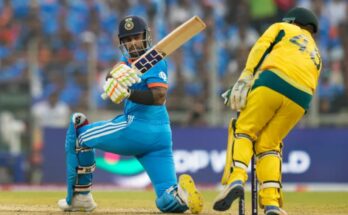
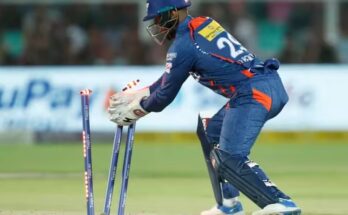
Cricket
Cricket costs vary dramatically depending on your level of involvement. Casual street cricket requires minimal investment, while serious club play involves substantial equipment and training costs.
Equipment Investment:
- Cricket bats range from basic to professional grade
- Protective gear is essential: pads, gloves, helmets, and guards
- Proper cricket shoes and whites (uniform)
- Team equipment like stumps and balls
Training and Club Costs:
- Cricket academies offer structured coaching programs
- Club membership fees vary by location and facilities
- Tournament entry fees and travel costs
- Equipment maintenance and replacement
Geographic Variations: Costs can vary significantly based on where you play. Countries with strong cricket traditions often have more affordable options and better facilities.
The initial equipment investment for cricket is substantial, but once you have quality gear, the ongoing costs are more manageable.
Golf
Golf has earned its reputation as an expensive sport, and the numbers don’t lie. From club sets to membership fees, golf requires a significant financial commitment.
Equipment Investment:
| Expense | Beginner | Intermediate | Professional |
|---|---|---|---|
| Club Set | $200–$500 | $1,000–$2,000 | $5,000+ |
| Golf Balls | $20–$50/month | $50–$100/month | $100+/month |
| Golf Bag | $50–$150 | $200–$400 | $500+ |
| Shoes & Apparel | $100–$300 | $300–$600 | $1,000+ |
Ongoing Costs:
| Expense | Beginner | Intermediate | Professional |
|---|---|---|---|
| Club Membership | $500–$2,000 yearly | $5,000–$15,000 yearly | $20,000+ yearly |
| Green Fees | $20–$50 per round | $50–$150 per round | $200+ per round |
| Lessons | $50–$100 per hour | $100–$200 per hour | $200+ per hour |
| Tournament Fees | $50–$200 per event | $200–$500 per event | $1,000+ per event |
Golf’s high costs come from both equipment and access to facilities, making it one of the most expensive sports to pursue seriously.
Other Popular Sports
Swimming:
- Pool membership fees: $50–$200 monthly
- Coaching: $100–$500 monthly
- Equipment: $100–$500 initially (suits, goggles, training gear)
- Competition fees: $50–$200 per meet
Running:
- Quality running shoes: $100–$200 (replaced every 300-500 miles)
- Running apparel: $200–$500 annually
- Race entry fees: $25–$200 per race
- Training gear and accessories: $100–$300
Baseball:
- Bat: $50–$400
- Glove: $50–$300
- Protective gear: $100–$400
- League fees: $200–$1,000 annually
- Uniforms and cleats: $100–$300
Hidden & Overlooked Costs
Beyond the obvious equipment and coaching expenses, several hidden costs can catch sports enthusiasts off guard.
- Travel and Accommodation: Tournament travel becomes a significant expense as skill levels increase. Weekend tournaments might require hotel stays, meals, and gas money. Elite-level competitors often travel nationwide, turning sports into a substantial travel budget line item.
- Sports Insurance and Medical Expenses: Sports injuries are common, and medical costs can add up quickly. Some sports require specialized insurance coverage. Physical therapy, sports medicine consultations, and injury prevention programs all represent additional costs.
- Nutrition and Supplements: Serious athletes often invest in specialized diets, protein supplements, and sports drinks. While not always necessary, these costs can add $100–$500 monthly for dedicated athletes.
- Time Investment: While not a direct monetary cost, the time investment in sports has an opportunity cost. Hours spent training, traveling, and competing represent time that could be spent on other activities or earning income.
- Equipment Maintenance: Regular maintenance keeps equipment in good condition but adds ongoing costs. Racket restringing, shoe replacement, and gear cleaning all require time and money.
Comparison Table: Cheapest vs. Most Expensive Sports
| Sport | Approx. Annual Beginner Cost | Competitive Level Cost |
|---|---|---|
| Running | $100–$300 | $1,000–$3,000 |
| Basketball | $200–$500 | $2,000–$5,000 |
| Football (Soccer) | $300–$700 | $3,000–$8,000 |
| Baseball | $400–$800 | $3,000–$6,000 |
| Cricket | $500–$1,200 | $4,000–$8,000 |
| Swimming | $800–$2,000 | $5,000–$12,000 |
| Tennis | $1,500–$3,000 | $8,000–$20,000 |
| Golf | $2,000–$5,000 | $15,000–$50,000+ |
This table clearly shows how costs can escalate dramatically as you move from casual participation to competitive levels.
How to Play Sports on a Budget?
Smart shopping and strategic choices can significantly reduce sports costs without sacrificing enjoyment or development.
- Buy Second-Hand Gear: Many sports equipment stores sell used gear in excellent condition. Online marketplaces and local sports groups often have equipment exchanges where you can find quality items at a fraction of retail prices.
- Join Community Clubs: Municipal and community-based clubs typically offer much lower fees than private facilities. They often provide excellent coaching and facilities at affordable rates.
- Opt for Group Coaching: Group lessons cost significantly less per person than private instruction while still providing quality coaching. You’ll also benefit from training with peers at similar skill levels.
- Use Public Facilities: Take advantage of public courts, fields, and facilities instead of paying for private club access. Many communities offer excellent free or low-cost sports facilities.
- Share Equipment: Team up with other families to share expensive equipment that isn’t used daily. This works particularly well for items like golf clubs or specialized training equipment.
Conclusion
Playing sports involves costs that vary dramatically based on your chosen activity and level of commitment.
From the relatively affordable world of running to the premium pricing of golf, understanding these costs upfront helps you make informed decisions about your athletic pursuits.
The key is finding the right balance between your passion, skill development goals, and financial reality.
Remember that the most expensive option isn’t always the best – many world-class athletes developed their skills using basic equipment and community facilities.
Sports offer tremendous physical, mental, and social benefits that often justify the investment.
The key is being smart about how you spend your sports budget and making choices that align with your goals and financial situation.
Whether you’re just starting or looking to take your game to the next level, understanding the true costs involved will help you make the best decisions for your athletic journey.
Sources and References
This article draws from comprehensive research and data from leading sports organizations, academic institutions, and industry experts:
Youth Sports Research & Statistics
- Aspen Institute Project Play – State of Play 2022: Costs to Play Trends
– Comprehensive annual survey data on youth sports costs and participation trends
- Jersey Watch – The Average Cost of Youth Sports: A Full Breakdown for 2025 – Current youth sports cost analysis and budget planning guide
- TIME Magazine – The Astronomical Cost of Kids’ Sports – In-depth investigation into the $15.3 billion youth sports industry
- Charles Schwab – Are Kids’ Sports Costs Straining Your Budget? – Financial planning perspective on youth sports expenses
Individual Sport Cost Analysis
- PlayYourCourt – Is Tennis An Expensive Sport | Cost Breakdown – Comprehensive tennis cost analysis from beginner to competitive levels
- Tennis Prime – The True Cost of Competitive Tennis: A Parent’s Guide – Detailed breakdown of competitive tennis expenses by age and skill level
- Golf Monthly – Is Golf Too Expensive? Our In-Depth Investigation – Comprehensive analysis of golf costs across different playing levels
- Laughlin Ranch Golf Club – How Much Does Golf Cost? A Practical Guide – Practical golf cost breakdown for beginners and experienced players
Sports Equipment and General Costs
- Playground Equipment – The Average Cost of Each Children’s Sport – Equipment and participation costs across multiple youth sports
- EventPipe – Cost of Youth Sports – Analysis of youth sports expenses with cost-saving strategies
- U.S. Bureau of Labor Statistics – Consumer Expenditures for Athletic Gear – Government data on sports equipment spending trends
- In2013Dollars – Inflation Rate for Sports Equipment 1978-2024 – Historical analysis of sports equipment price trends
Expensive Sports Rankings and Analysis
- Sotheby’s Realty – What is the Most Expensive Sport in The World – Global analysis of high-cost sports including Formula 1, tennis, and golf
- Utopia – Ranked: 10 Most Expensive Sports Worldwide – Comprehensive ranking with affordable alternatives
- Las Vegas Weekly – Pay to Play: Youth Sports Have Become an Expensive Burden – Real-world examples of family sports expenses and financial impact
Academic and Industry Research
- American Tennis Association – Golf vs. Tennis: Which Sport is Better? – Comparative analysis of costs and benefits between major sports
- Tennis Canada – The Price Tag of Taking Up Tennis – Official tennis organization cost guide for beginners
- My First Nest Egg – The Price of Passion: Exploring 20 Expensive Youth Sports – Financial planning perspective on youth sports investments
Sports News & Updates
- Sportzspark.com – Latest sports updates, cost analysis, and comprehensive guides for sports enthusiasts and beginners across all athletic disciplines
All sources accessed and verified as of September 2025. Cost figures represent average ranges and may vary by location, skill level, and specific program requirements.